

chocolate health
Chocolate for Children: Portion and Choking-Safety Guide
A parent-first guide to age-appropriate chocolate portions, added sugar, caffeine, allergens, choking shape and calm seated eating.
Quick answer: Chocolate for a child should be an occasional, parent-portioned food—not an unrestricted pack. Age, chewing ability, allergies, the product's hardness or filling, added sugar and caffeine all matter. Infants and very young children should not be given added-sugar foods as a routine, and any food must be prepared in a developmentally safe shape and eaten seated under close supervision.
Start with readiness, not a birthday number
Children develop chewing and swallowing skills at different rates. Hard candy-like chocolate, whole nuts, sticky caramel, large chunks and small toy-like pieces can create choking concerns. The CDC advises preparing food to the right shape, size and texture, keeping young children seated and watching them while they eat.
Ask a paediatric clinician when a child has swallowing difficulty, developmental concerns, food allergy or a medically directed diet.
Use the smallest useful pack
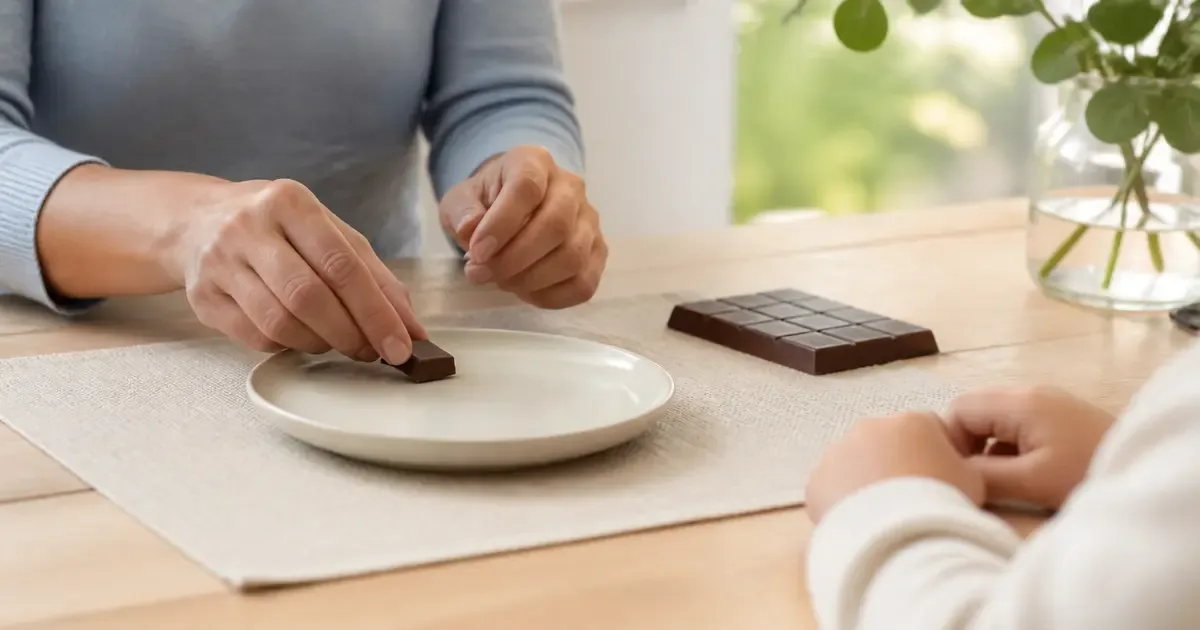
A parent can remove a small piece, put the remainder away and serve the piece as part of a planned snack. A sharing pouch invites accidental refills and makes the label serving hard to track. There is no universal chocolate gram target for every child; total diet, age and individual advice matter more than copying an adult portion.
Read sugar, caffeine and allergens together
Chocolate can contribute added sugar and saturated fat; cocoa also contains caffeine-like stimulant compounds. Higher cocoa often means a stronger profile, not a child-health claim. Check milk, peanuts, tree nuts, soy, wheat and sesame where relevant. Read the exact pack on every purchase because recipes and factory warnings can change.
Make snack time safer and calmer
- Seat the child upright at a table or safe eating place.
- Remove wrappers and break an age-appropriate small piece.
- Avoid walking, running, screens and car eating.
- Supervise the full snack.
- Store the rest and the wrapper out of reach.
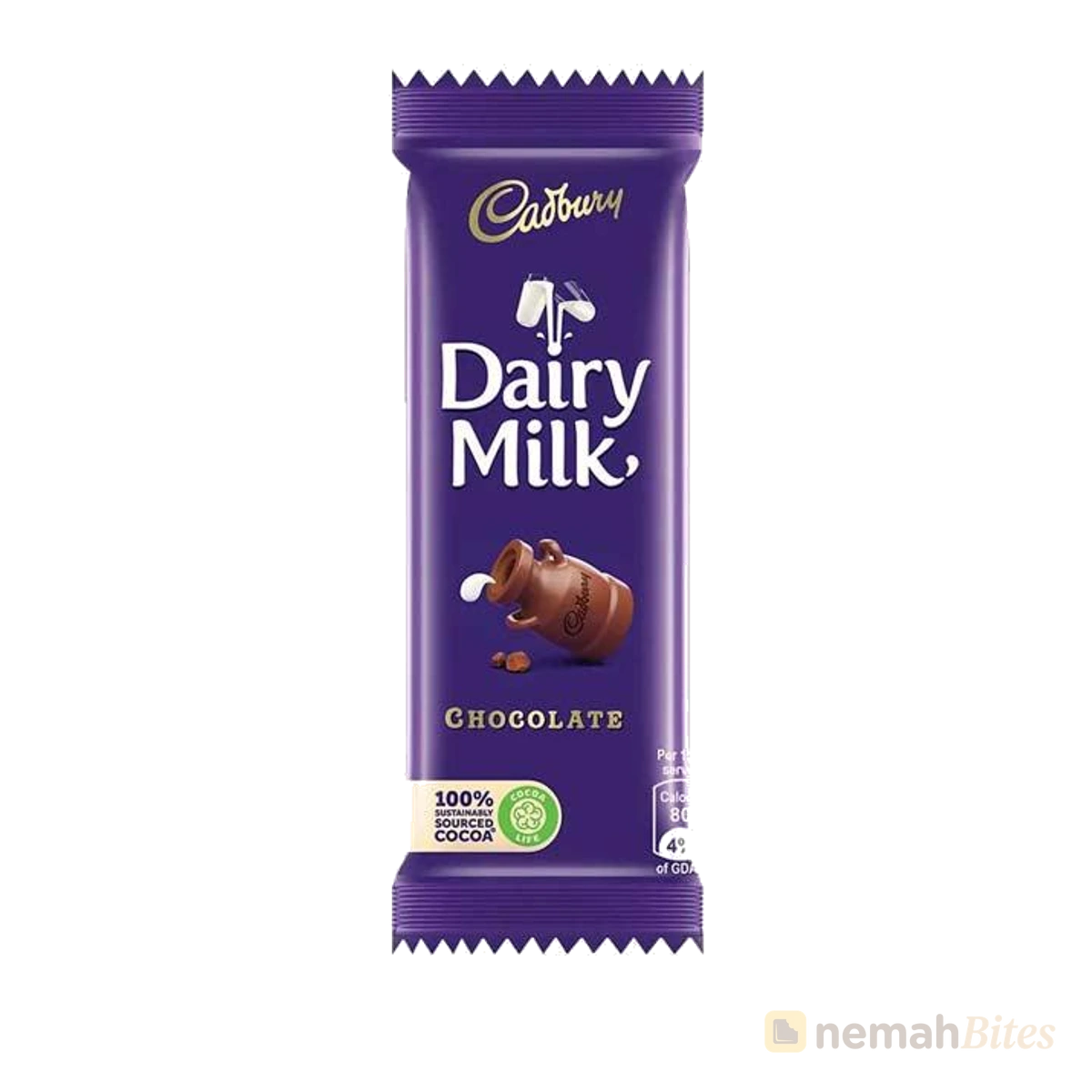
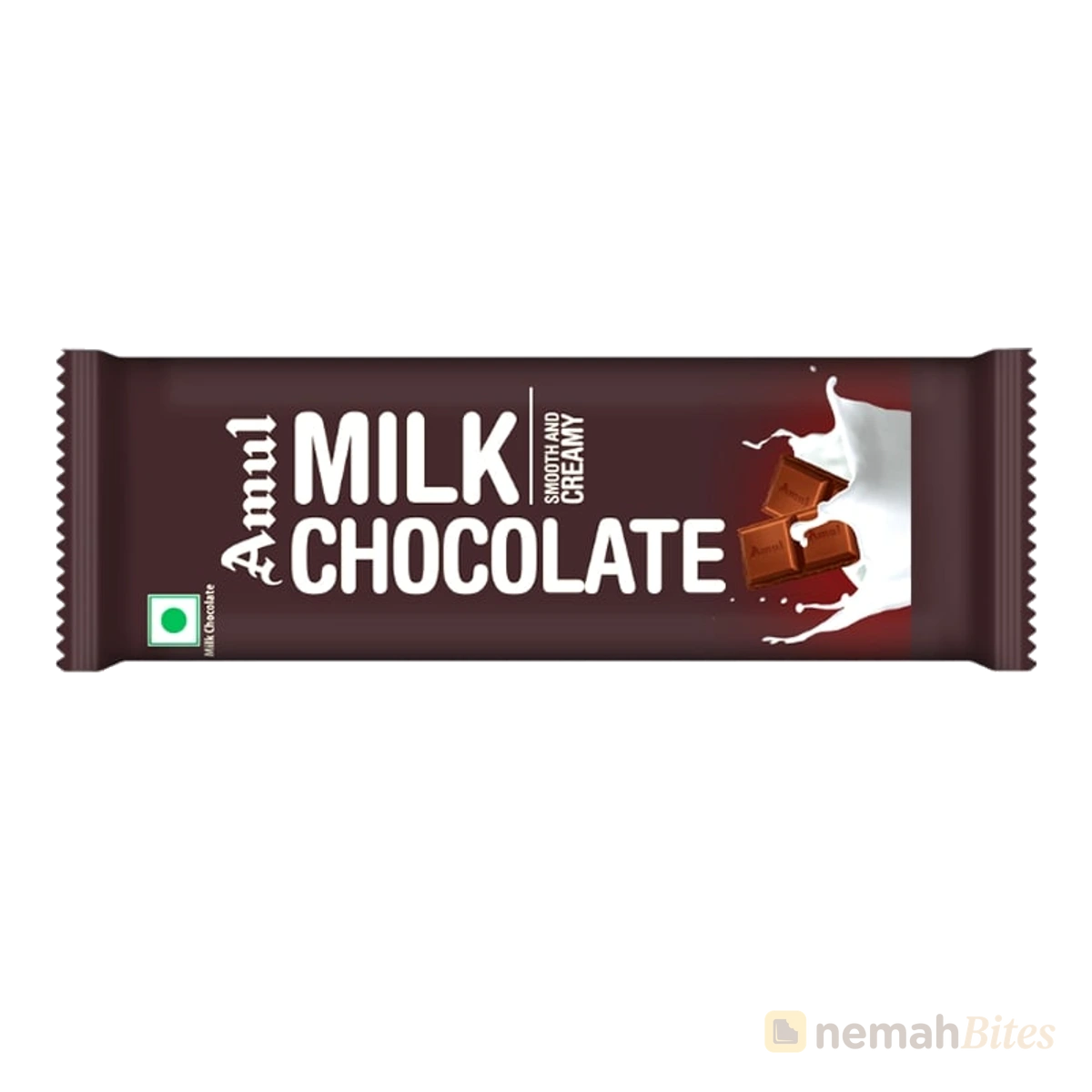
The small bars below illustrate portion convenience, not a universal recommendation. For label details, use our chocolate allergen guide.
Products in this guide
Prices and stock are from the catalogue at the site's last update. They can change afterwards; confirm again at checkout.
| Product | Pack size | Current price | Unit price | Availability |
|---|---|---|---|---|
| Cadbury Dairy Milk Chocolate Bar 11g | 11g | ৳26 | ৳236.36 / 100g | In stock |
| Cadbury Dairy Milk Chocolate 21g | 21g | ৳53 | ৳252.38 / 100g | In stock |
| Amul Smooth & Creamy Milk Chocolate 35g | 35g | ৳158 | ৳451.43 / 100g | In stock |

Frequently asked questions
At what age can a child eat chocolate?
There is no single age that answers every safety and nutrition question. Consider developmental readiness, added sugar guidance, choking shape, allergens and individual clinical advice.
Is dark chocolate better for children?
Not automatically. It may be more bitter and contain more cocoa-derived stimulants; compare the whole label and portion.
Can children eat chocolate with whole nuts?
Whole or chopped nuts can be choking hazards for young children and are also major allergens. Follow age-appropriate preparation and medical guidance.