

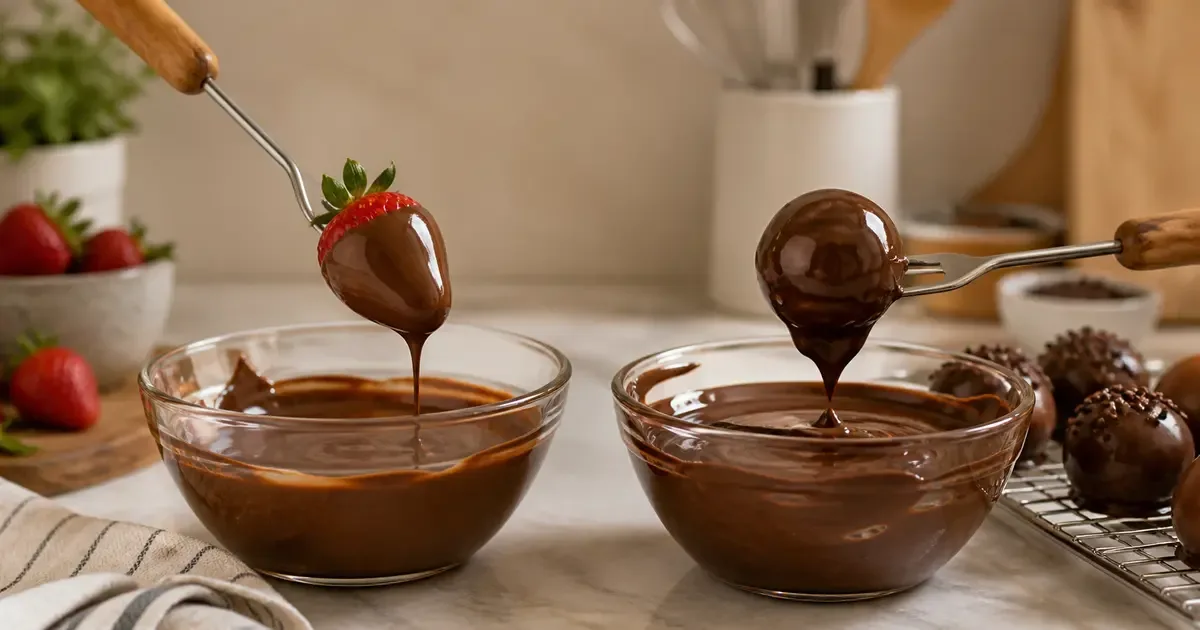
baking guides
Couverture vs Compound Chocolate for Home Bakers
Compare couverture and compound chocolate by fat system, tempering, flavour, snap, ease, heat behaviour and home-baking use.
Quick answer: Couverture is cocoa-butter chocolate designed with enough fluidity for fine coating and moulding; it normally needs tempering for a glossy snap. Compound coating replaces some or all cocoa butter with another vegetable fat, so it is usually easier to melt and set without classic tempering. The trade-off is a different flavour, mouthfeel and label category.
Compare the working behaviour
| Factor | Couverture | Compound |
|---|---|---|
| Main fat system | Cocoa butter | Alternative vegetable fat |
| Tempering | Usually required for shells | Usually melt-and-set; follow pack |
| Finish | Fine snap and quick melt when tempered | Firm, often more heat-tolerant coating |
| Learning curve | Thermometer and temperature control | More beginner-friendly |
Choose by finish and environment
For bonbons, thin shells and a refined melt, couverture is the usual target. For cake pops, quick drizzles, practice batches or a warm workspace without reliable cooling, compound may be more forgiving. Neither name guarantees quality; read the manufacturer application and ingredients.
Do not mix fat systems casually
Adding ordinary butter, oil or compound to couverture can change setting and temper. If a recipe intentionally combines fats, follow its tested ratio. Likewise, a compound coating cannot be given cocoa-butter snap simply by running it through a couverture tempering curve.
Home-baker checklist
- Decide shell, dip, drizzle, filling or batter.
- Read whether the pack says chocolate, couverture or compound/coating.
- Check the recommended melt and working method.
- Test a small spoon or parchment strip.
- Record room temperature and result for the next batch.
For classic cocoa-butter work, continue with the home tempering guide.
Products in this guide
Prices and stock are from the catalogue at the site's last update. They can change afterwards; confirm again at checkout.
| Product | Pack size | Current price | Unit price | Availability |
|---|---|---|---|---|
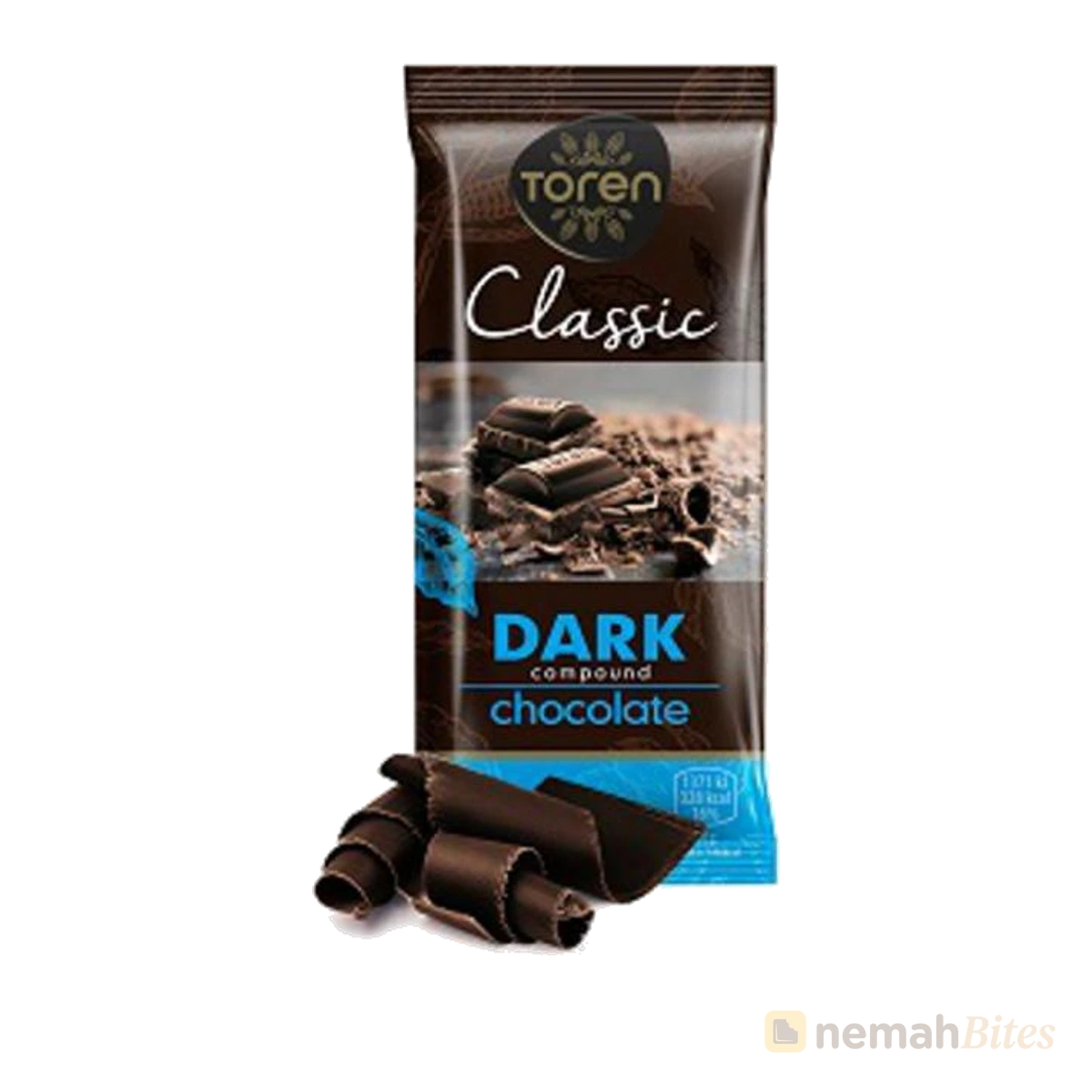
| Toren Classic Dark Compound Chocolate 52g | 52g | ৳163 | ৳313.46 / 100g | In stock |
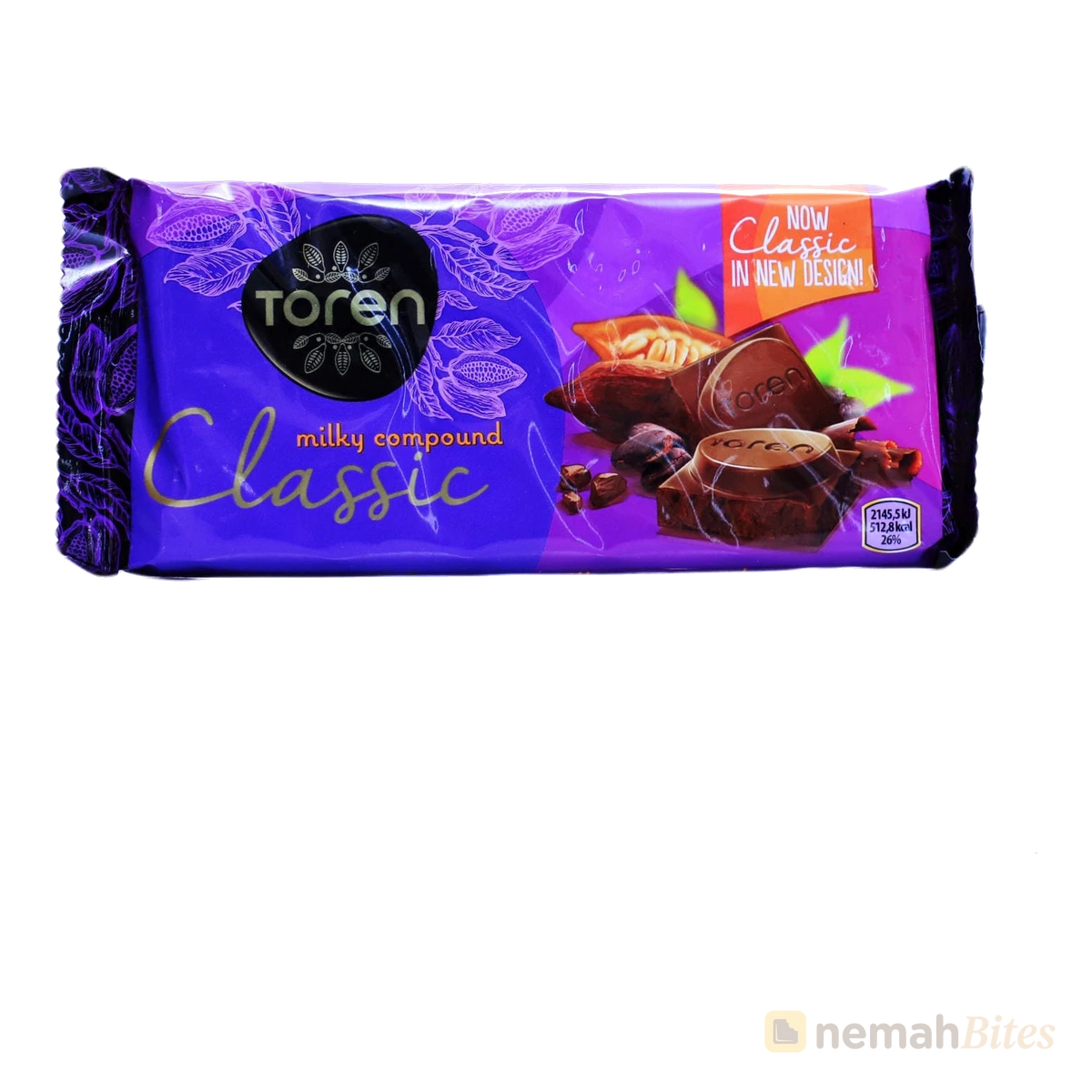
| Toren Classic Milky Compound Chocolate 58g | 52g | ৳160 | ৳307.69 / 100g | In stock |
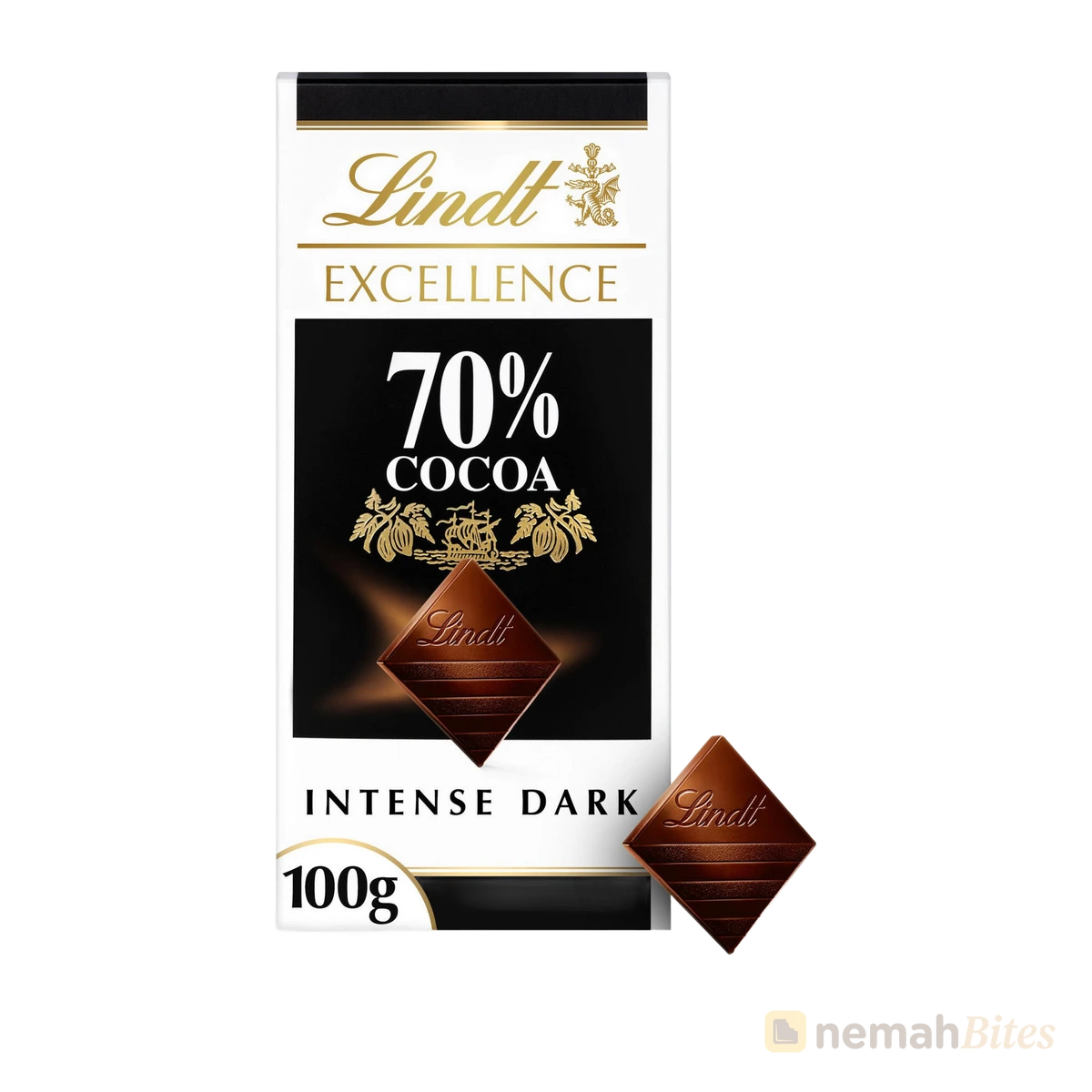
| Lindt Dark Chocolate Bar 100g – 70% Cocoa | 100g | ৳630 | ৳630 / 100g | In stock |
Frequently asked questions
Does compound chocolate need tempering?
Most compound coatings are designed to melt and set without classic cocoa-butter tempering, but always follow the pack instructions.
Is couverture always better than compound?
No. Couverture suits refined shells and flavour; compound can be easier and more stable for some decorations and warm workspaces.
Can I mix couverture and compound?
Mixing fat systems can cause unpredictable set and texture. Use a tested recipe rather than an improvised ratio.